Irrepressible Energy
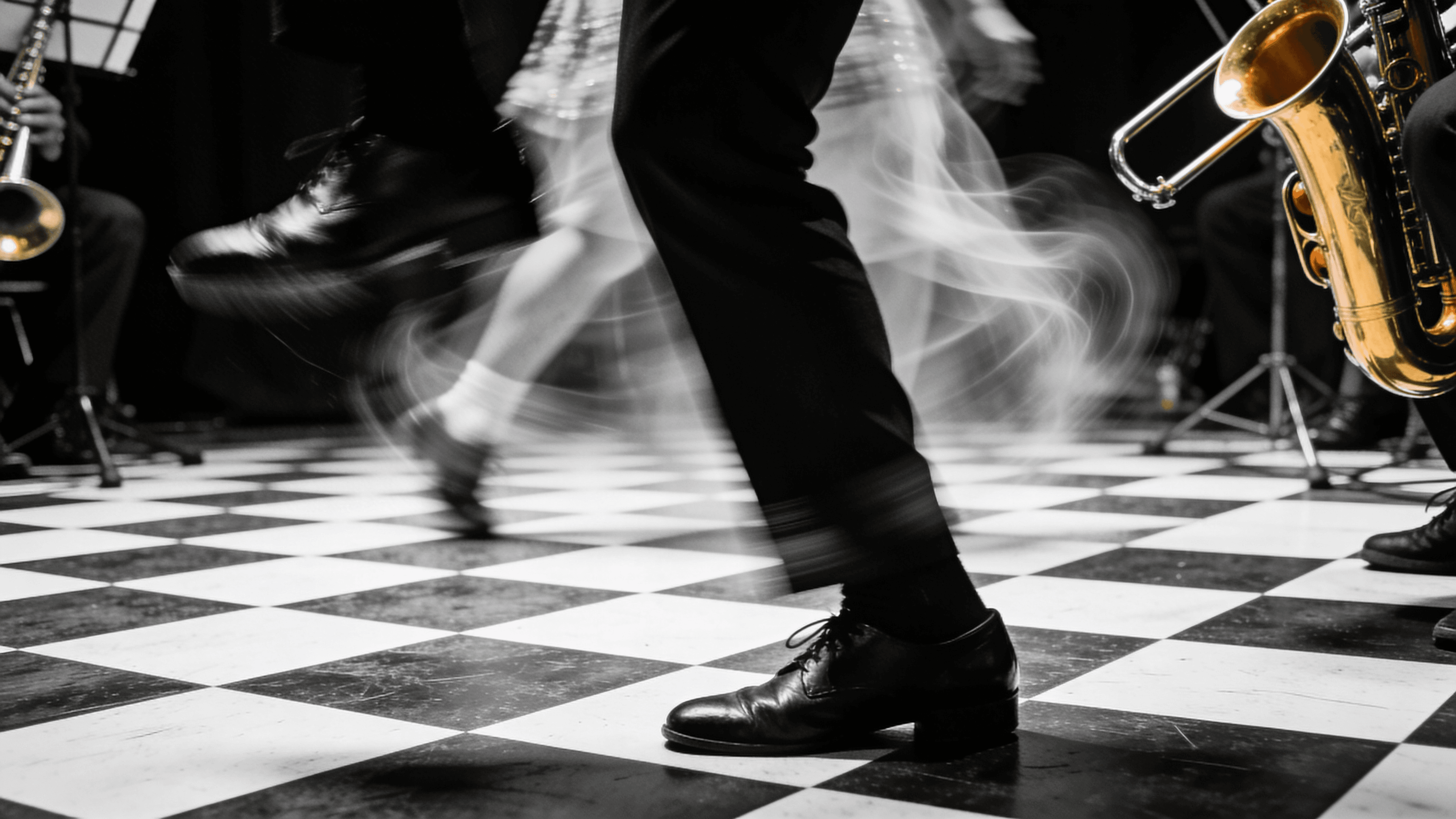
Ska visual identity is immediately recognizable-the checkerboard pattern, the rude boy silhouette, the Two-Tone records aesthetic that united Jamaican heritage with British punk energy. This visual vocabulary has persisted through multiple ska waves while remaining distinctively ska.
The aesthetic communicates ska's core values: racial unity (black and white together), high energy, and joyful defiance. The visuals are as impossible to ignore as the horn lines.
Ska artwork should feel as energetic as the upstroke-impossible to stand still looking at.
Ska Punk - ska's visual energy across eras
Signature Visual Elements
The checkerboard is ska's signature-black and white squares referencing racial integration that the genre celebrated. This pattern appears on nearly everything ska touches.
The rude boy/Walt Jabsco figure-suited silhouette in pork pie hat-became ska's logo. This single image communicates genre instantly, like metal's devil horns or punk's safety pins.
High energy extends to visual composition. Dynamic angles, movement, implied action. The imagery should feel like it's skanking.
The Specials' The Specials - Two-Tone visual identity defined
Creating Ska Covers
Energy is essential. Ska is high-energy music; static imagery feels wrong. Composition, color, and concept should all communicate movement and joy.
Consider referencing visual heritage. The checkerboard and rude boy imagery carry meaning for ska audiences. Using them signals genre position clearly.
Bright colors often serve ska. Unlike punk's black or metal's darkness, ska often embraces bold, joyful palettes that match the music's celebratory nature.
ReleasKit can generate ska-influenced concepts-describe the irrepressible energy you want to communicate.
Ska artwork should make viewers want to dance-the visual equivalent of that irresistible horn line.
FAQ