The Visual Language of Roots Music
Country and Americana artwork speaks a visual language of authenticity. Earth tones, American landscapes, working people, open roads. It's a genre where visual sincerity matters-audiences can sense when imagery is costume versus genuine expression of identity.
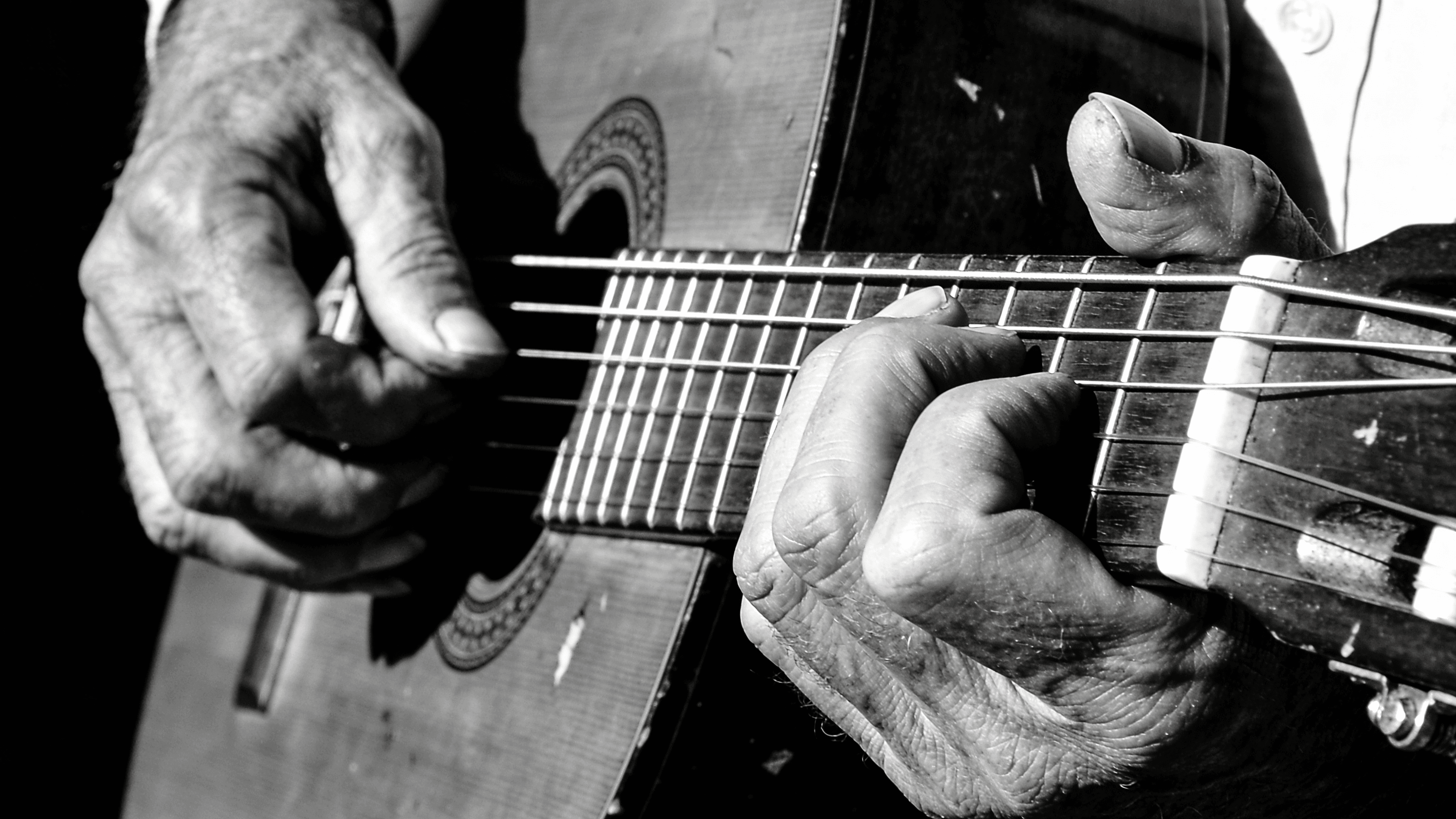
What separates effective country artwork from generic rural imagery? Specificity and honesty. Chris Stapleton's Traveller used stark black-and-white photography that felt documentary rather than staged. Kacey Musgraves' Golden Hour embraced warmth and natural light that matched the album's sonic palette. Tyler Childers' Purgatory featured hand-painted artwork connecting to folk art traditions.
Country artwork should feel like it belongs to the artist-not like stock photography of someone else's idea of country life.
Hot Country - contemporary country visual trends
Landscape and Sense of Place
Place matters in country music. Songs name towns, highways, and regions. The landscape itself becomes character. Album artwork often reflects this geographic identity-not generic "countryside" but specific places with meaning.
The best landscape imagery feels tied to the artist's actual geography. Sturgill Simpson's West Texas references are specific; Turnpike Troubadours' Oklahoma identity permeates their visual world. Colter Wall's Canadian prairie landscapes inform his artwork as much as his sound.
When using landscape photography, consider what your specific geography looks like. The hill country is not the delta is not the plains is not Appalachia. Regional specificity creates authenticity that generic "rural America" never achieves.
That said, landscape doesn't require literal geography. Emotional landscapes-the open road as metaphor, the setting sun as transition, the empty bar at closing time-communicate feeling without mapping specific coordinates.
Chris Stapleton's Traveller - black-and-white authenticity that defined modern country visuals
Artist Photography in Country
Country and Americana often feature artist photography that emphasizes relatability over polish. You're not selling fantasy-you're establishing connection with people who see themselves in you.
This doesn't mean bad photography. It means intentionally avoiding the airbrushed perfection of pop. Natural lighting, honest styling, real environments. The artist should look like someone you'd meet, not a celebrity from another world.
Styling choices communicate genre position. Traditional country leans toward western wear executed with authenticity. Americana might embrace more casual, weathered aesthetics. Contemporary country sometimes incorporates modern elements while maintaining rootedness. Outlaw country carries different sartorial expectations than Nashville pop-country.
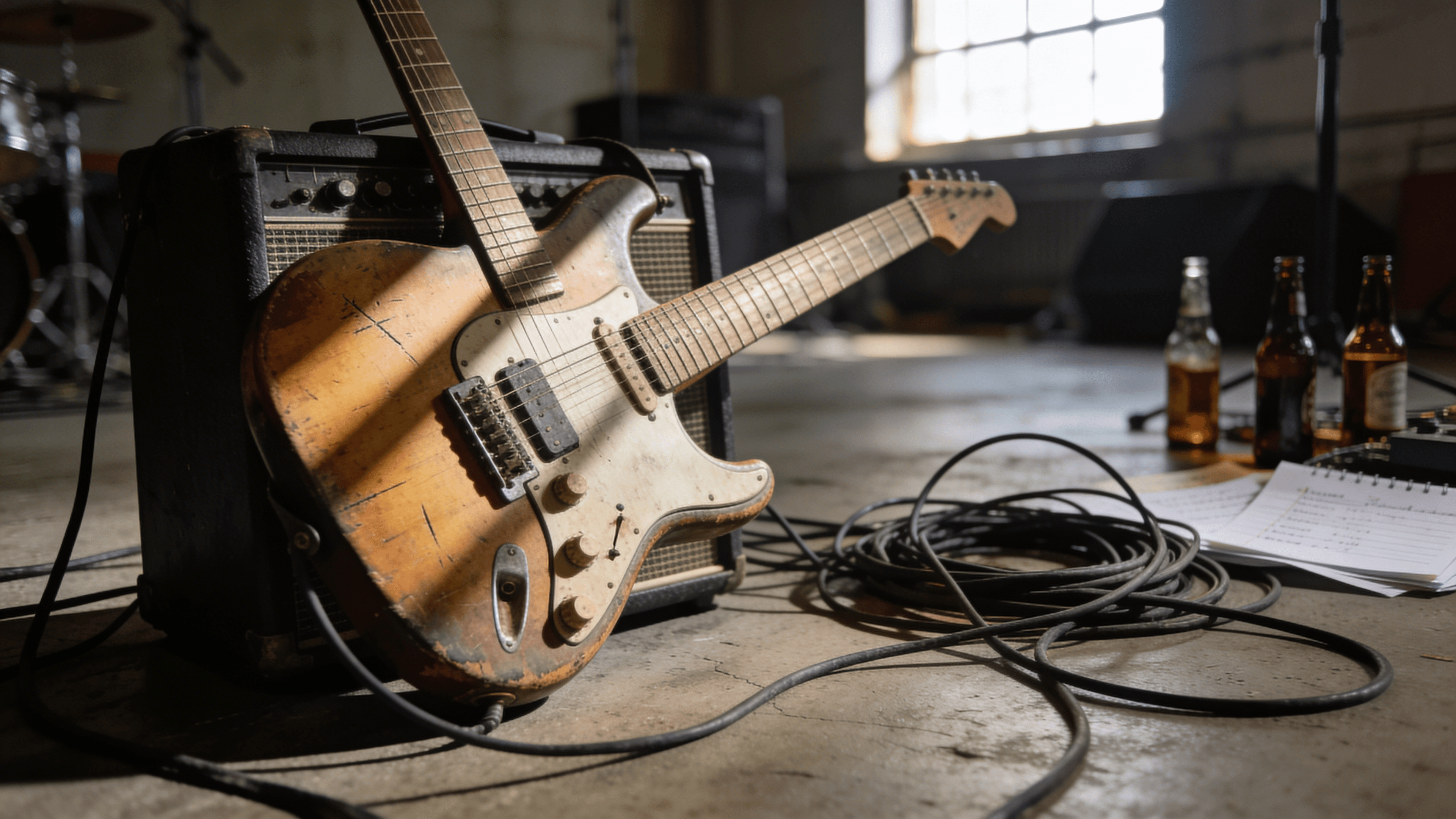
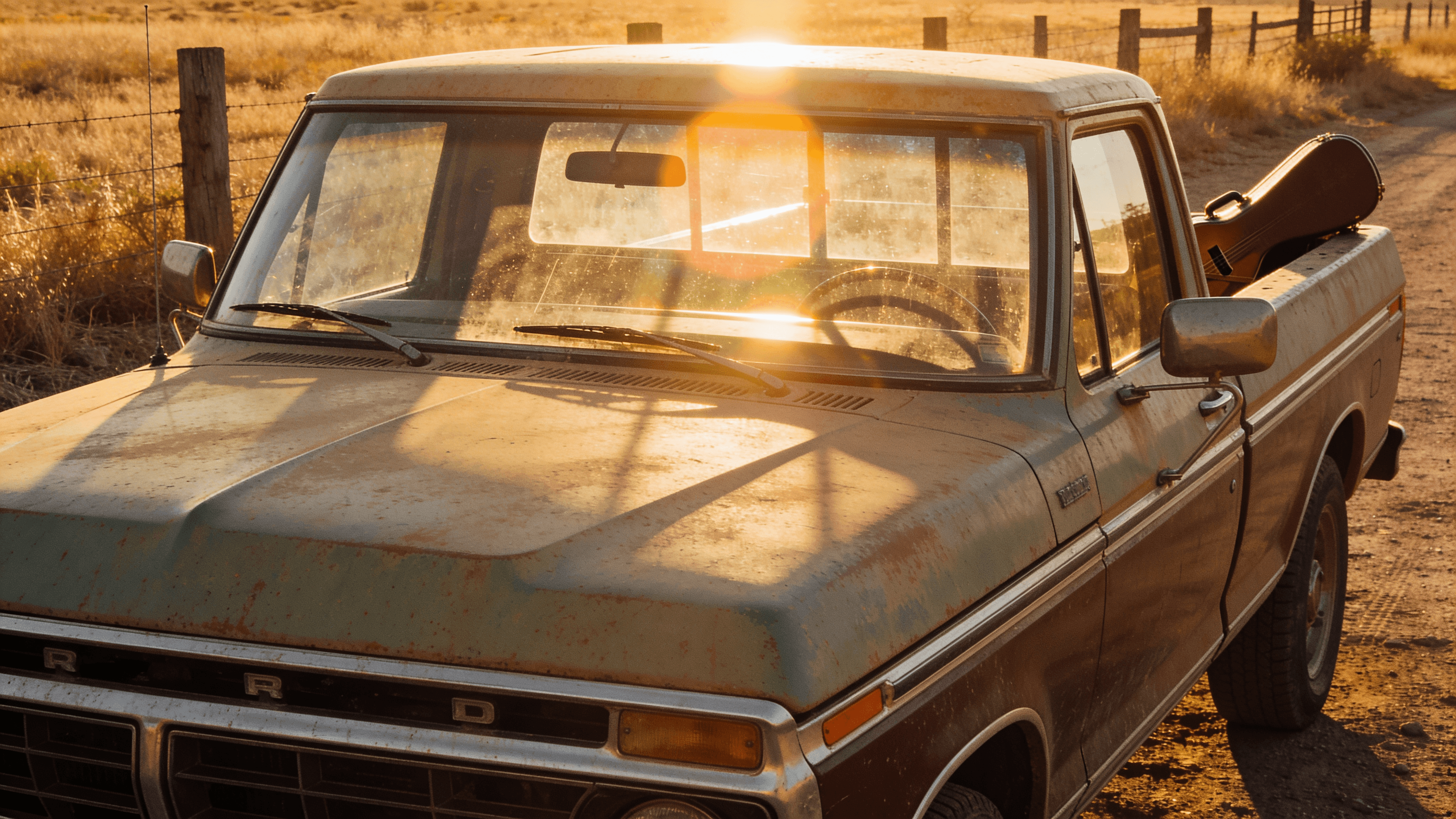
Where you shoot matters. Porches, fields, dive bars, trucks, dusty roads-these settings carry narrative weight. But they need to feel real. A clearly staged "rustic" setting reads as costume. Better: actual places from your life, shot with documentary sensibility.
Tyler Childers' Purgatory - hand-painted cover connecting to folk art traditions
Traditional Visual Elements
Country artwork can reference visual traditions stretching back to hand-painted signs, western movie posters, and folk art. These references communicate belonging to a larger cultural lineage.
Hand-lettered typography carries different weight than slick digital fonts. It suggests craft, time, and human touch-values the genre prizes. Even if executing digitally, consider typography that evokes hand-painted signage.
Illustration and painting appear more frequently in country and Americana than in most contemporary genres. Painted covers connect to traditions predating photography. They can also achieve visual qualities-certain kinds of warmth, nostalgia, dream-logic-that photography struggles to capture.
Vintage aesthetics-sepia tones, film grain, aged paper textures-reference country music's long history. But use these elements with intention, not as generic "make it look old." What specific era are you referencing? Why?
Contemporary Country Visuals
Country's current visual moment balances tradition with contemporary approaches. Zach Bryan's raw photography and hand-drawn elements. Morgan Wallen's confident artist portraits. Lainey Wilson's bold styling that respects heritage while feeling current.
Contemporary production values don't require abandoning authenticity. High-quality photography, careful design, and professional execution can all serve sincere artistic vision. The key: visual choices should emerge from genuine identity, not marketing calculation.
Color palettes have shifted. While earth tones remain common, contemporary country incorporates golden-hour warmth, dusty pastels, and occasional bold saturations that earlier eras avoided. Study current releases to understand where the visual conversation is now.
Social media has influenced what works. Vertical crops for stories, square formats for posts, the need for images that read on phones-these practical considerations affect what successful covers look like in ways previous generations didn't face.
Zach Bryan - raw, authentic visuals defining contemporary country-Americana
Creating Country Covers
Ground your visual approach in genuine identity. What landscapes actually shaped you? What styling reflects how you actually present yourself? What imagery honestly represents your relationship to country music traditions?
If using photography, prioritize authenticity over production value. A sincere photo in natural light beats a expensive but generic shoot. Shoot in places that mean something. Wear what you'd actually wear. Let real life inform the image.
For illustrated or hand-lettered approaches, consider working with artists who understand roots music visual traditions. A tattoo artist, a sign painter, someone whose aesthetic naturally aligns with the genre. Their work will carry cultural knowledge a generic designer might miss.
Technical considerations: streaming platforms require square images at minimum 3000x3000 pixels. But country audiences still buy physical releases at higher rates than many genres-consider how artwork will reproduce on CD, vinyl, or merchandise from the start.
ReleasKit can generate concepts that understand country and Americana visual conventions. Describe your sound and heritage, and explore what emerges.
The test of country artwork: does it feel like it belongs to someone real, or does it feel like someone's idea of country?
FAQ