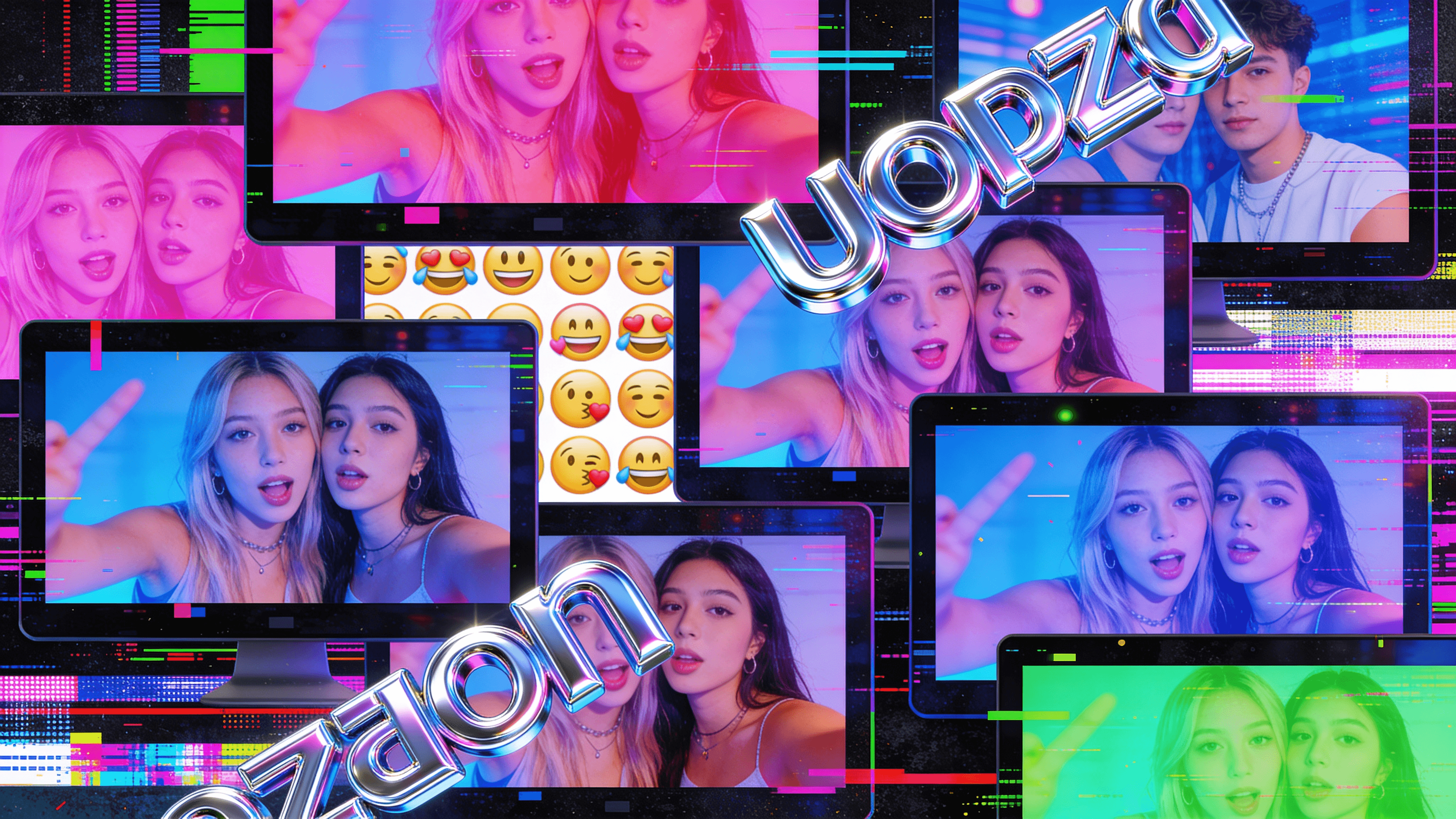
Visual Excellence as Standard
K-Pop has transformed album artwork from packaging into essential component of artistic release. Every comeback involves visual concept as deliberate as musical direction. From BTS to BLACKPINK, NewJeans to Stray Kids, the visual identity is planned months in advance and executed with production value that rivals music video budgets.
This isn't just about looking good-it's about creating coherent artistic universes. Albums come in multiple versions with different photography concepts. Photocards, photobooks, and packaging extend the visual experience. For K-Pop, the album isn't just music delivery; it's collectible art object.
K-Pop treats album artwork as integral art form, not afterthought. The visual concept is as important as the title track.
K-Pop ON! - visual concepts that define contemporary K-Pop
Concept-Driven Visual Worlds
K-Pop releases center on "concepts"-cohesive aesthetic directions that unify music, styling, choreography, and visuals. A comeback's concept determines everything from color palette to facial expressions to set design.
These concepts can be elaborate. aespa builds releases around AI-versus-human narratives with corresponding visual worlds. SEVENTEEN's "Fear" comeback created dark, cinematic imagery entirely different from their bright earlier work. Each concept becomes its own visual universe.
For non-idol artists influenced by K-Pop aesthetics, understanding concept thinking helps. What unified visual world does your release inhabit? How does every visual element reinforce that world?
The commitment to concept creates distinctive imagery. When everything serves unified vision, even individual photos feel part of larger artistic statement.
NewJeans' Get Up - minimal concept executed with precision
Photography Production Standards
K-Pop photography operates at fashion-industry production levels. Multiple photographers, elaborate sets, extensive styling teams, weeks of post-production. The resulting images could appear in high-fashion magazines-and often do.
This standard shapes audience expectations. K-Pop fans expect visual excellence; amateur photography reads as disrespectful to the art form. Even independent K-Pop-adjacent artists feel pressure to achieve professional production value.
Key photography elements: flawless lighting that flatters while remaining interesting, styling that serves concept perfectly, composition that works for multiple aspect ratios (album cover, photobook spreads, social media), and post-production that enhances without looking fake.
For artists without K-Pop-level budgets, prioritize thoughtfulness over expense. Clear concept, intentional styling, good lighting fundamentals-these matter more than elaborate production.
BLACKPINK's Born Pink - fashion-forward photography at its finest
Version Strategy
K-Pop releases typically include multiple album versions, each with different cover art and photobook imagery. This isn't just merchandise strategy-it allows exploring multiple aspects of the comeback concept.
Different versions might represent: different members featured, different moods within the concept, different color variations, or different narrative moments. Fans collect all versions; the variations add value rather than creating confusion.
For artists adopting this approach: each version needs to feel complete while contributing to a larger whole. Don't just change filters-create genuinely different photographic moments. The versions should reward collectors with variety while maintaining conceptual unity.
Digital releases don't require multiple versions, but the thinking can inform social media rollout. Different visual moments from the same shoot can create version-like variety across promotional campaign.
Visual Storytelling
K-Pop artwork often tells stories or suggests narratives. Album concepts might include backstory, symbolism, or connections to the group's larger universe. Fans analyze imagery for hidden meanings and connections.
This storytelling appears in multiple ways: symbolic objects placed in frame, fashion choices that reference past eras, settings that advance narrative, and imagery that connects across multiple releases. The visuals become text to be read and interpreted.
Even artists without elaborate narrative universes can incorporate storytelling. What emotions does the imagery suggest? What mood does it establish? How do visual elements connect to lyrical themes?
The engagement this creates is valuable. When fans analyze your imagery for meaning, they're deeply engaged with your art. Give them something to find.
Creating K-Pop Influenced Covers
Start with concept. Before any photography, define your visual world. What aesthetic direction unifies this release? What mood, color palette, styling approach? Every subsequent decision should serve this concept.
Invest in photography quality. K-Pop audiences expect visual excellence. If budget is limited, prioritize one excellent photoshoot over multiple mediocre ones. Quality over quantity.
Consider how imagery will extend across platforms. The cover image should work at thumbnail size, but also consider social media crops, banner formats, and promotional materials. Design for ecosystem, not just square.
For AI-assisted creation, ReleasKit can generate concepts influenced by K-Pop aesthetics-high-fashion styling, elaborate concepts, polished production. Describe your visual world and let it suggest directions.
K-Pop artwork works because concept comes first. Define your visual world; everything else follows.
FAQ