Celebration as Aesthetic
Disco is celebration-escape, glamour, the dance floor as liberation. The visual aesthetic matches: glitter, light, movement, joy. From 70s originals through nu-disco revival, the imagery embraces exuberance that other genres often avoid.
Daft Punk's Random Access Memories brought disco aesthetics to 2010s consciousness. Dua Lipa's Future Nostalgia updated disco glamour for contemporary audiences. The visual language evolves while maintaining core celebration.
Disco artwork should sparkle-literally or figuratively, it should communicate joy and movement.
Disco Forever - classic disco's glittering visual legacy
Glamour and Sparkle
Disco imagery embraces what other genres might consider excess. Sequins, metallics, mirror balls, glitter, chrome-elements that catch and scatter light. The visual equivalent of shimmering hi-hat patterns.
Fashion is central. 70s disco styling-wide collars, bell bottoms, platform shoes-appears in period-accurate approaches. Nu-disco might update styling while maintaining glamour. The clothing communicates dance floor intention.
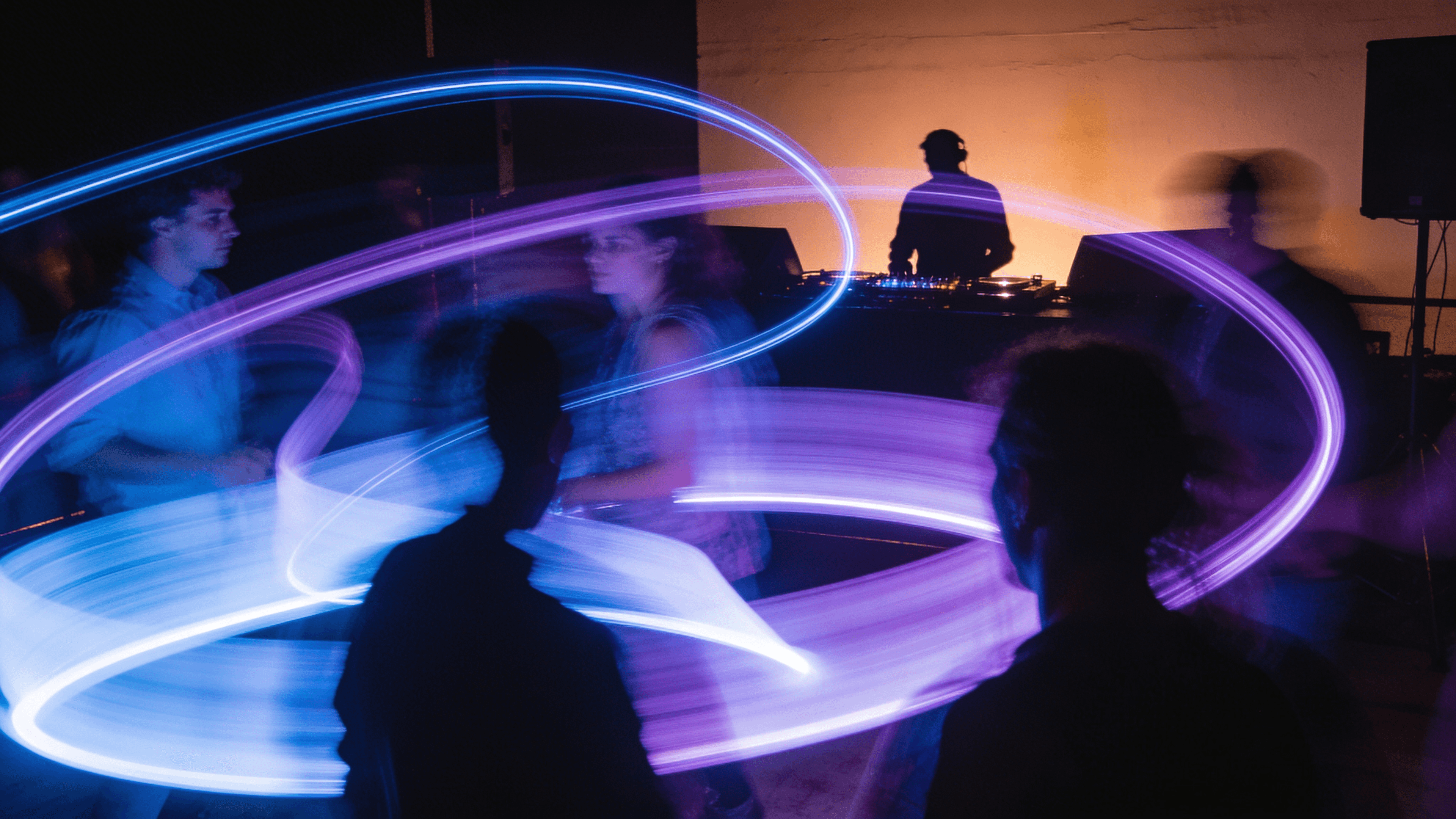
Light treatment matters. Disco imagery often features distinctive lighting-club lights, spotlight drama, the particular quality of dance floor illumination. Even daytime imagery might incorporate light effects that suggest night moves.
Dua Lipa's Future Nostalgia - disco glamour for contemporary audiences
Creating Disco Covers
Embrace glamour without irony. Disco's joy is genuine; visual celebration should be too. Don't undercut the sparkle with knowing winks-commit to the exuberance.
Consider era positioning. Classic 70s styling differs from nu-disco's contemporary updates. Know which approach serves your music; mix intentionally if mixing at all.
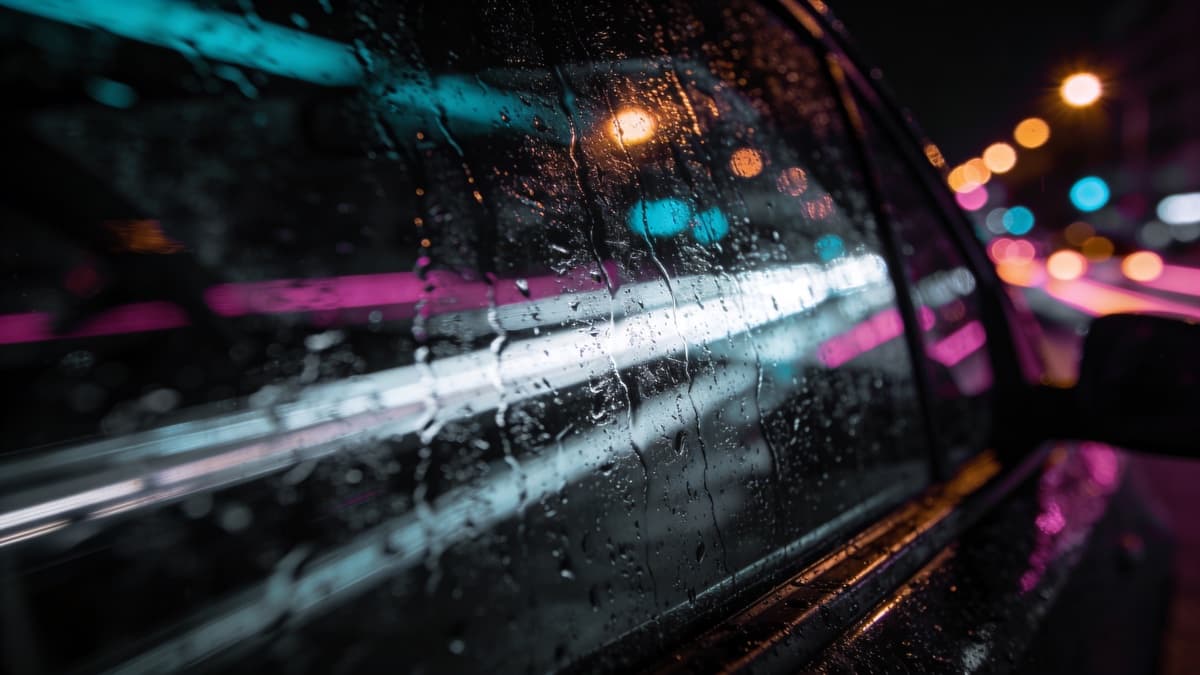
Light effects can add disco feeling to otherwise simple imagery. Lens flares, bokeh, reflections off metallic surfaces-these elements suggest dance floor magic.
ReleasKit can generate disco-influenced concepts-describe the celebration and glamour you want and explore what emerges.
Great disco artwork should make viewers want to dance-the visual itself should groove.
FAQ