Afrobeats' Global Visual Moment
Afrobeats has achieved something remarkable: global commercial success while maintaining distinctly African identity. Burna Boy, Wizkid, Tems, Rema, and Ayra Starr top global charts while their visual identity remains rooted in West African aesthetics. The artwork doesn't compromise to appeal to international audiences-it brings those audiences to African visual language.
This visual confidence comes from cultural pride. Album covers celebrate African fashion, patterns, landscapes, and iconography without explanation or apology. The imagery says: this is beautiful, this is ours, and you're welcome to appreciate it on its terms.
Afrobeats visuals don't dilute African identity for global audiences-they invite global audiences into African identity.
African Heat - Afrobeats' visual and sonic identity
Vibrant Color Expression
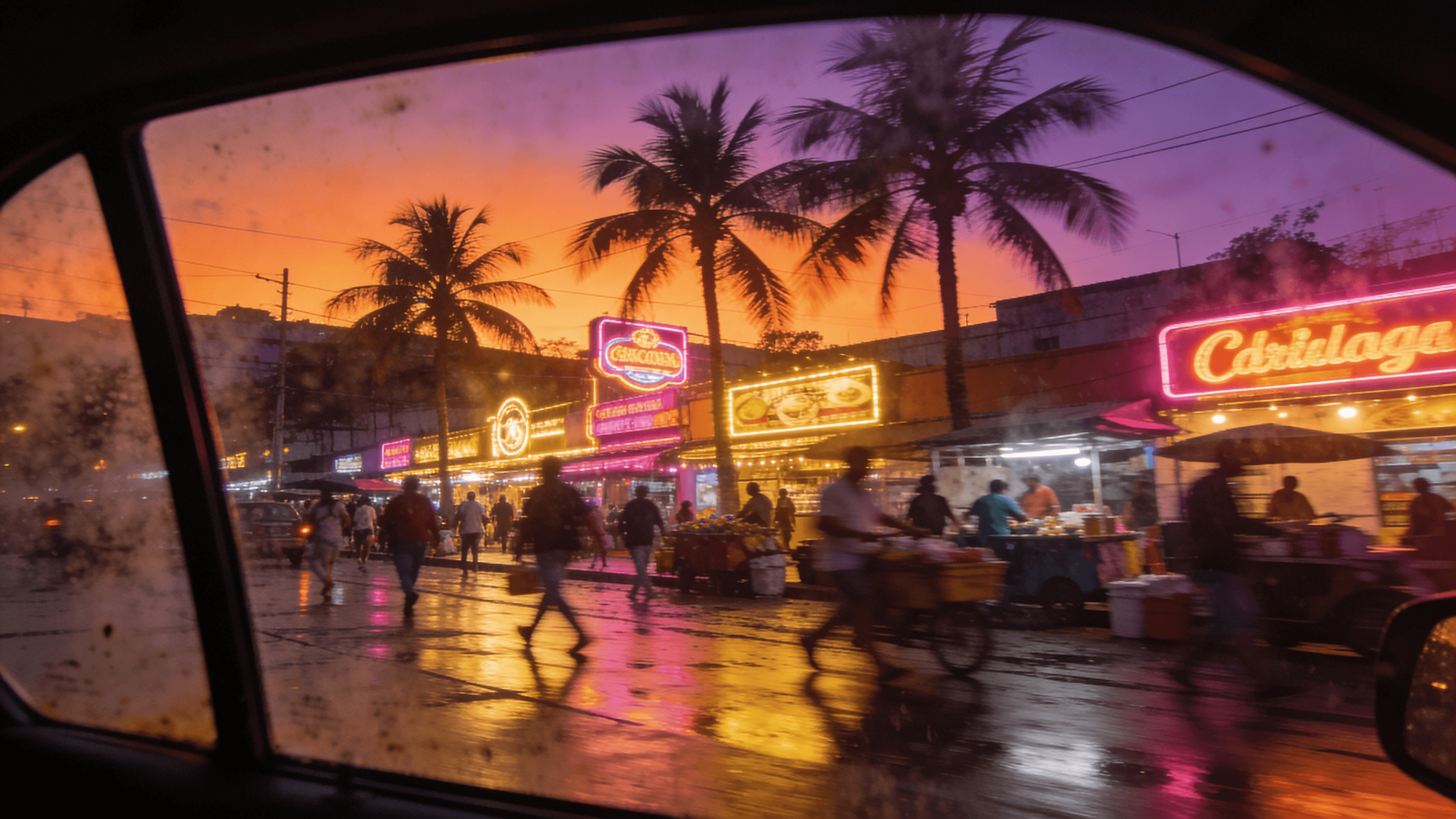
Afrobeats embraces color boldly. Rich golds, deep purples, vibrant greens, sunset oranges-palettes that reference African landscapes, textiles, and cultural aesthetics. This isn't generic brightness; it's specific cultural color vocabulary.
Burna Boy's I Told Them used warm earth tones that felt distinctly Nigerian while reading as sophisticated globally. Wizkid's Made in Lagos embraced the city's visual energy. Tems' work balances bold color with editorial sophistication.
The warmth matters. African sunlight has particular quality-golden, intense, theatrical. Cover imagery often captures or recreates this lighting, connecting to sensory memory of West African environments.
When developing color palettes, study actual African textiles, architecture, and photography. The specific colors have cultural meaning-they're not arbitrary saturation increases.
Burna Boy's I Told Them... - warm earth tones with global sophistication
Fashion and Cultural Styling
Fashion is central to Afrobeats visual identity. Artists appear styled in ways that honor traditional African aesthetics while incorporating contemporary global fashion. The result feels distinctly African and distinctly current simultaneously.
Traditional elements-ankara fabrics, agbada, cultural jewelry-appear throughout. But these aren't museum pieces; they're styled with awareness of contemporary fashion photography. The traditional becomes fashion-forward.
Many Afrobeats artists work with Nigerian and African designers, supporting local creative industries while developing distinctive visual identity. The styling credits matter as much as the photography credits.
For independent artists, consider your specific cultural background and how to represent it authentically. Generic "African patterns" read as appropriation when not grounded in genuine connection. Specific cultural elements from your actual heritage carry weight that generic reference can't.
Wizkid's Made in Lagos - Lagos fashion elevated to global stage
Photography Approaches
Afrobeats photography balances documentary sensibility with editorial polish. The imagery should feel authentic to African life while achieving the production quality expected of global releases.
Location matters. Lagos, Accra, and other African cities provide backdrops that ground imagery in specific geography. The visual texture of West African environments-architecture, street life, landscape-carries cultural information.
Editorial sophistication doesn't mean erasing this cultural specificity. High-fashion photography techniques can serve African subjects and settings. The goal is showing African beauty with the same production value applied to Western imagery.
Lighting often embraces warmth. The golden quality of African light-or studio recreations of it-contributes to the visual identity. Harsh shadows, strong directional light, the intensity of tropical sun.
Creating Afrobeats Covers
Ground your visual approach in genuine cultural connection. What's your specific heritage, and how can you represent it authentically? Afrobeats visuals work because they emerge from actual African identity, not imitation of it.
Study artists in your specific regional scene. Nigerian Afrobeats, Ghanaian highlife, Tanzanian bongo-each has distinct visual conventions. Know what tradition you're working within.
Consider collaboration with African photographers, stylists, and designers. Local creative talent understands cultural context that might not be visible from outside.
Technical requirements: streaming platforms need 3000x3000 pixel minimum. See our complete platform guide. Consider how imagery will appear across social platforms where Afrobeats audiences are highly active.
ReleasKit can generate concepts that understand Afrobeats visual conventions. Describe your specific cultural influences and the feeling of your music.
The best Afrobeats artwork celebrates African identity confidently-no apology, no dilution, no compromise.
FAQ